Our thoughts are with every family, employee and business owner affected by these floods. For urgent help in Thailand, call the DDPM hotline 1784, available 24 hours.
Say it is 5:30 a.m. and your warehouse lead messages you that water is coming into the Samut Prakan warehouse. Before 7 a.m. you have several decisions to make at once. What stock is in that warehouse, what is it worth, and what moves first? Which orders ship from there this week, and which customers need to hear first? Which employees live in flooded areas, and who can still come in? Which suppliers sit in industrial estates that have stopped running?
If the data lives in one system, those questions take minutes. If it doesn't, you call five people and get five different numbers.
The situation now
Continuous heavy rain in late September, combined with water flowing down from the North into the Central Plains, caused widespread flooding. DDPM figures summarised by Bangkok Biz News put the floods across 30 provinces and 191 districts, affecting 1,177,404 households, or about 3.35 million people. Samut Prakan, Pathum Thani and Chachoengsao are among the hardest hit, and water is still rising in some provinces. Bangkok received about 320 mm of rain in three days, roughly its normal rainfall for all of September (Reuters).
Businesses have been hit hard too. The Federation of Thai Industries estimates direct manufacturing losses at about THB 1.018 billion. At least 34 factories in Amata City Chonburi were damaged after a dyke breached, and the wider economic impact could reach about THB 69 billion. Toyota temporarily shut four plants because parts could not be delivered, and Thai Airways briefly suspended cargo operations because staff could not travel to work.
Many businesses did not stop because water entered their own plant. They stopped because parts did not arrive or people could not get to work. The damage travels through the supply chain and through people.
Why one trusted data set matters most in a crisis
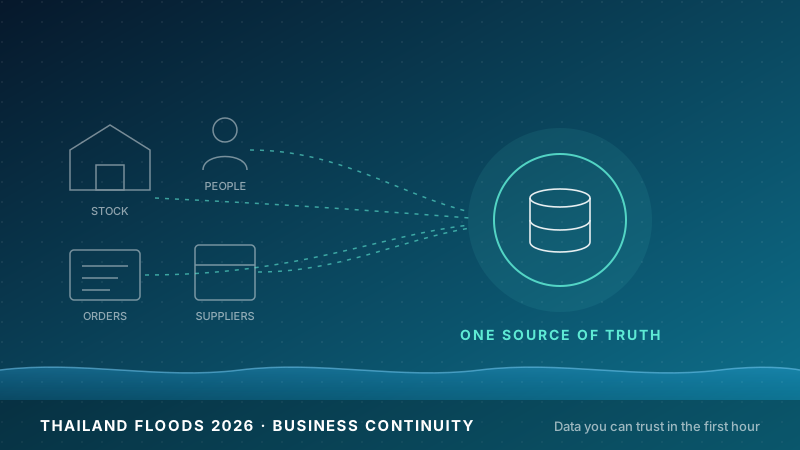
A single source of truth means your core business data, covering products, stock, customers, orders, suppliers, employees and assets, lives in one system that every department sees the same way.
On a normal day, scattered data only slows you down. In a crisis it leads to wrong decisions. Stock lives in the warehouse's Excel file, orders in sales emails, the staff list in a LINE group, the asset register with accounting. When the water comes, someone stitches it together by hand and nobody is sure which number is current.
With one system, you filter by warehouse and see stock and its value straight away. You see the orders tied to that warehouse and the customers to notify, you can reroute shipments to another site, and every department works from the same numbers.
Five questions one system answers immediately
- What stock is in the at-risk area, and what is it worth, so you know what to move or raise first.
- Which orders and customers are affected, so you can tell customers before they call and offer to ship from elsewhere.
- Which suppliers are in flooded areas, so you can find alternatives before materials run out.
- Which employees are in affected areas, so you can look after their safety and replan shifts quickly. Staff addresses and phone numbers are personal data: use them for safety, and restrict who can see them.
- Which assets and documents you need for insurance claims: machinery, stock, cost prices and purchase records, with photos from before and after.
People tend to forget the fifth one. After the water recedes, businesses with complete evidence claim faster and recover more than those piecing together receipts from soaked boxes.
If you are dealing with flooding right now
People's safety comes first. Cut power in at-risk areas, and never let staff risk their lives to move stock.
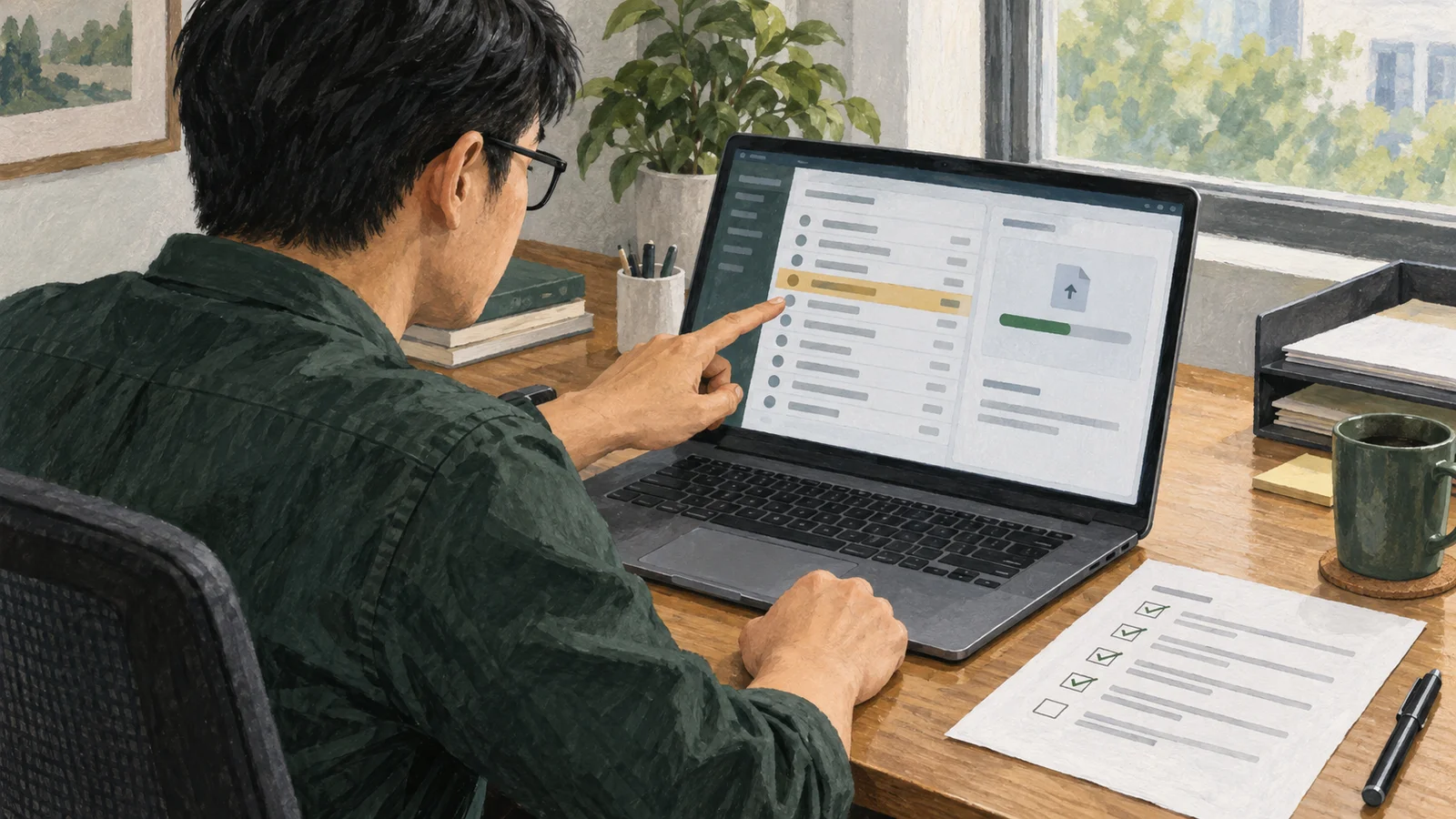
Then photograph and video stock, machinery and buildings, with dates and times. Pull your latest stock figures from before the water arrived, by export or on paper, as the baseline for your insurance claim. Contact customers with open orders before they have to ask, and call your insurer as early as possible to find out exactly which documents they need.
After the water recedes: prepare before next rainy season
Flooding in Thailand recurs. The question to ask now is how fast your team could answer the questions above if it happens again next year.
- Bring core data into one system: products, stock by warehouse, customers, suppliers, employees and the asset register.
- Mark risk areas in your data. Tag warehouses, suppliers and branches in repeat-flood zones so you can see your exposure at a glance.
- Keep backup suppliers in the system, not just in the purchasing team's heads.
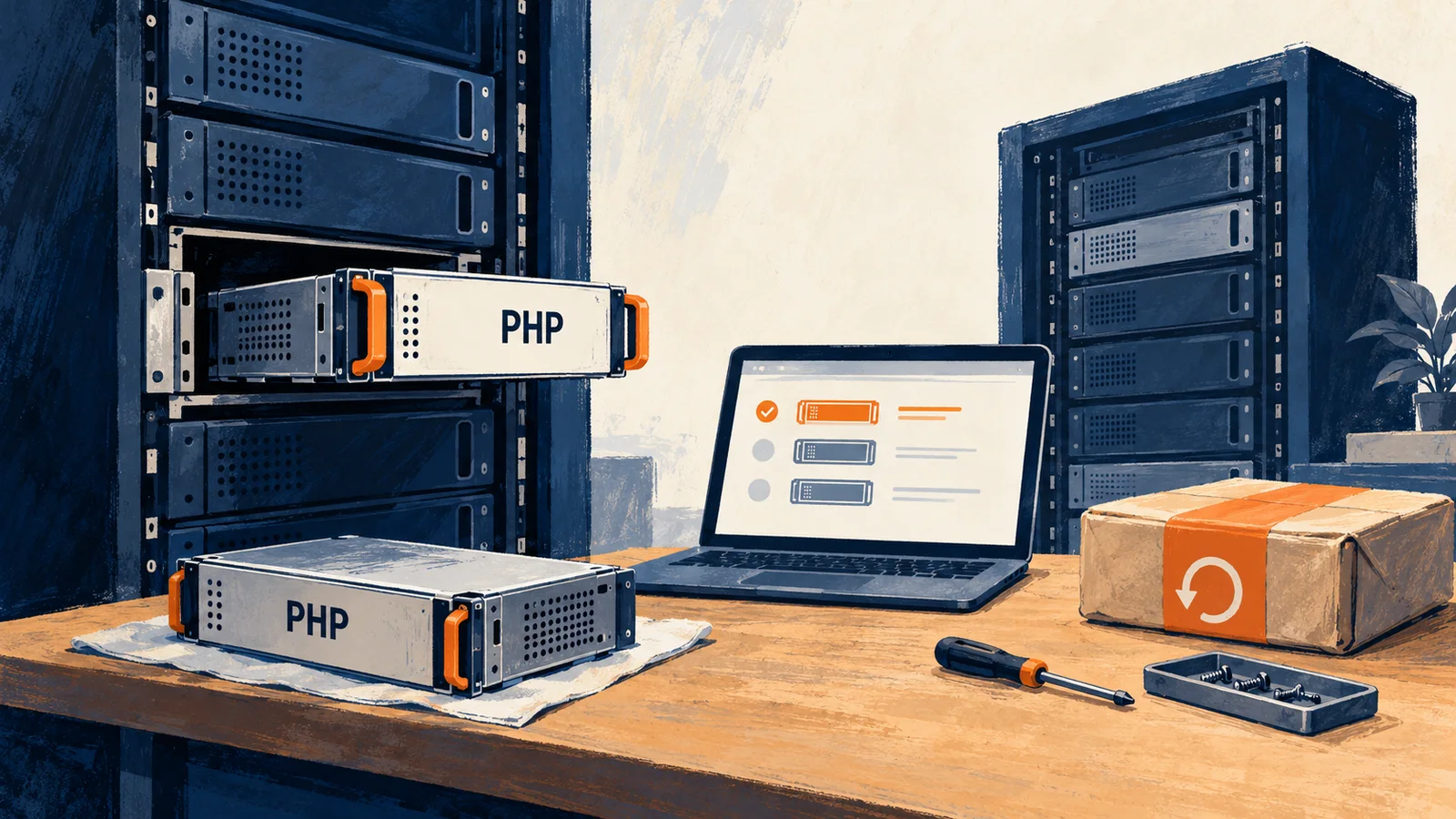
- Make the system reachable from anywhere. If your server sits in a flooded building, your data goes with it. A cloud system with backups lets the team keep working from home.
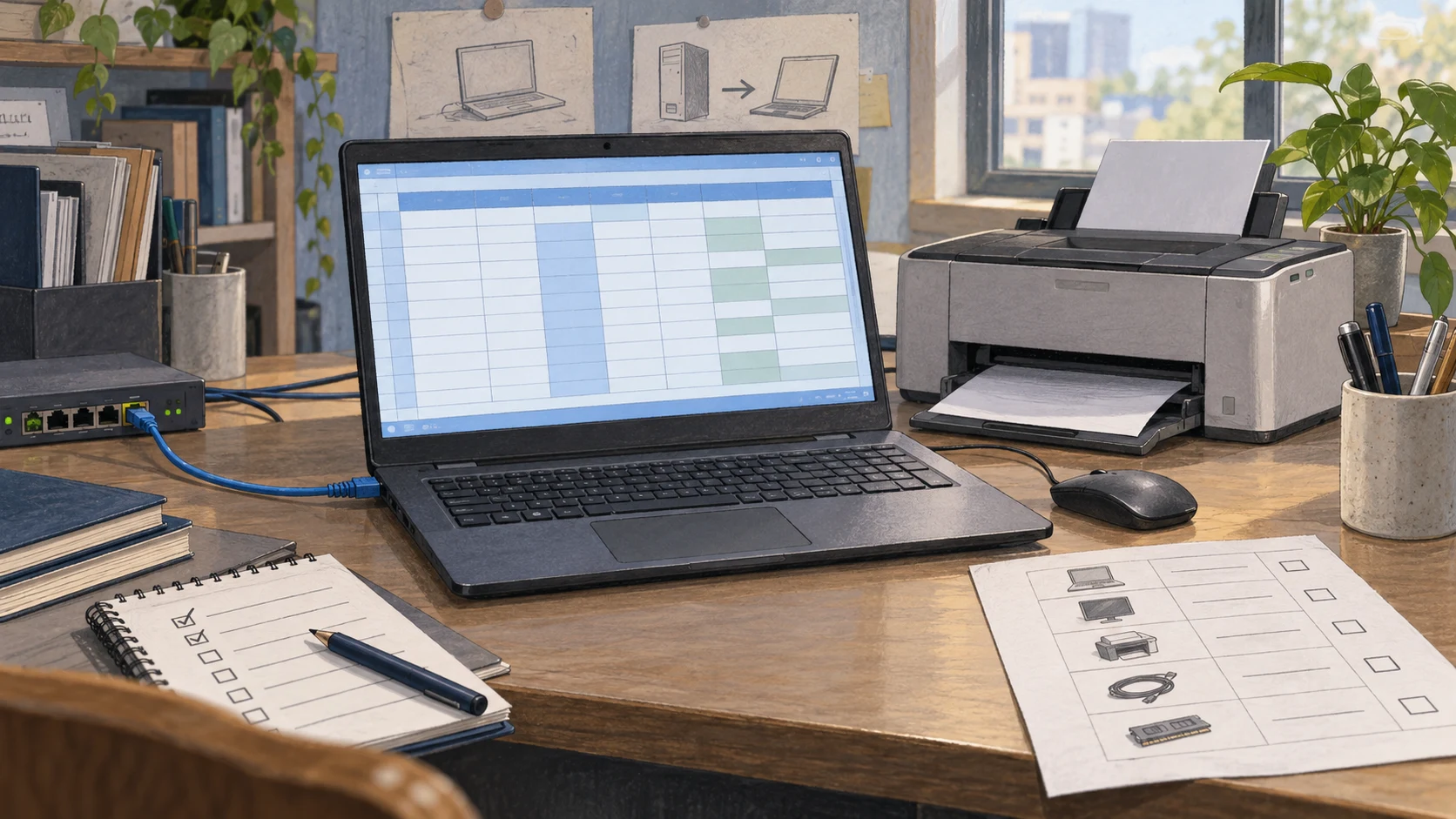
- Rehearse once. Assume your main warehouse is out of action and time how long the team takes to answer the five questions above.
What Enersys does
We bring stock, sales, purchasing, accounting, HR and assets into one Odoo ERP system, so every department sees the same numbers on normal days and on days that demand fast decisions. We also set permissions so employee and customer personal data is visible only to those who need it, in line with PDPA.
If these floods showed you that your company's data still lives in too many places, and you want to be ready before next rainy season, talk to the Enersys team. We start by mapping what data lives where today.
Sources
- Flood crisis summary: 30 provinces, 191 districts, 3.35 million people affected, Bangkok Biz News (DDPM figures, 3 Oct 2026, Thai)
- Severe Floods Inundate Thai Factories, Causing Over $30m in Direct Losses, Nation Thailand (2 Oct 2026)
- Thai floods disrupt factories, capital still at risk, PM says, Reuters via The Star (30 Sep 2026)
- DDPM reports floods in 25 provinces and Bangkok on Sept 27, Nation Thailand (27 Sep 2026)