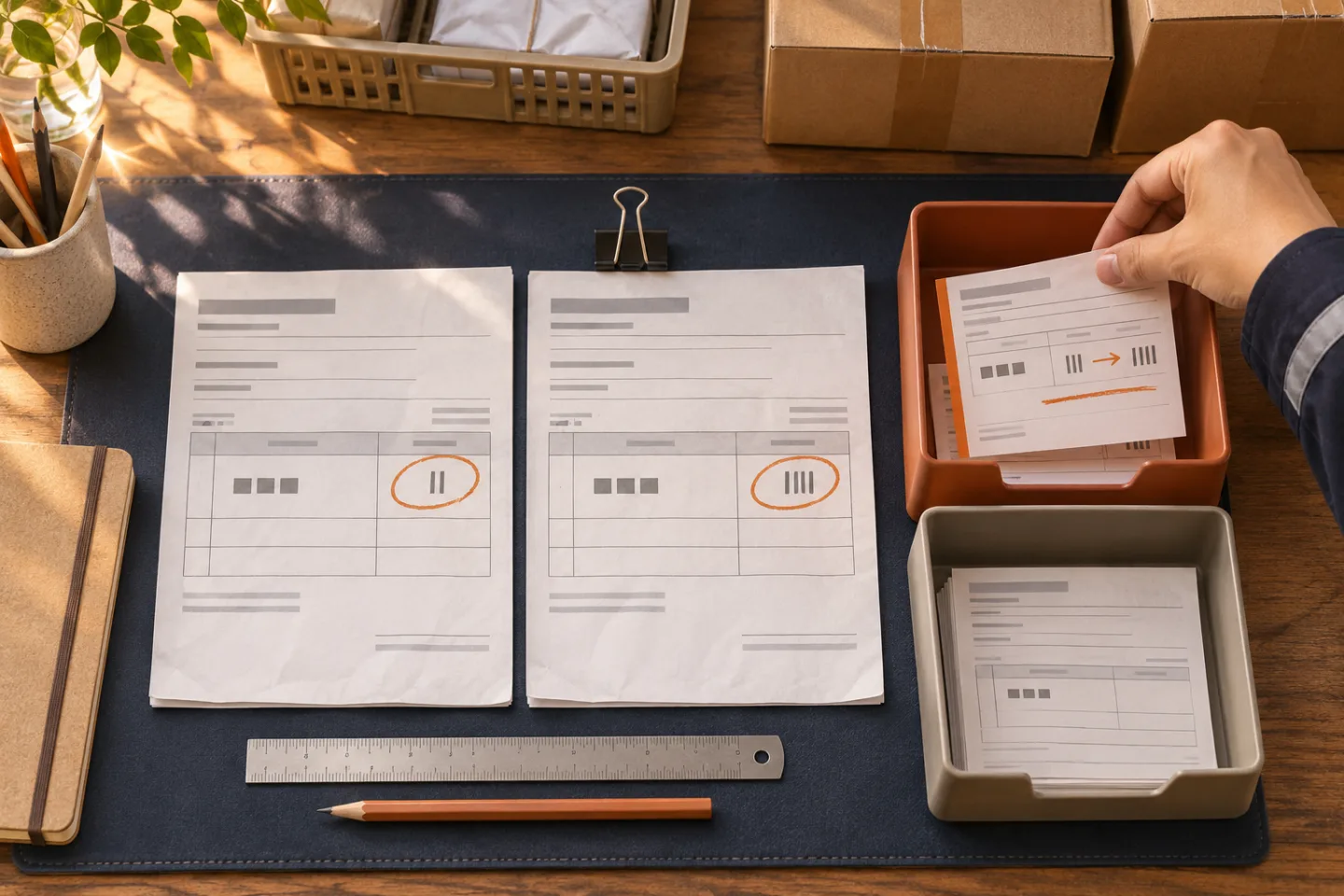
Suppose your company is choosing an AI assistant to draft refund replies. A customer bought an item before a policy change and requested a refund afterward. If the draft cites the wrong version, a support agent could misstate the customer's eligibility in the first email. Before approving a pilot, ask how the vendor tested cases like this and who would catch a bad draft before it reaches a customer.
On November 16, 2026, OpenAI announced signed agreements with four independent evaluators, Apollo Research, METR, Transluce, and Goodfire. They will work with internal teams and get access to evidence within agreed limits. Their assignments differ. Transluce will look at the quality and coverage of the tests OpenAI uses to check model behavior after training. Goodfire will analyze model internals, focusing on monitoring training runs, debugging, and model alignment. OpenAI announced the agreements and planned work, with findings still to come. OpenAI announcement
Read the terms before the findings
Transluce says its six-week pilot is due to begin in early December. The team will see selected internal evaluations and get access to selected models, including at least one internal-only model. OpenAI will decide whether to grant additional access. Transluce intends to report what it requested, what it received, and how those limits affected its conclusions. Transluce pilot announcement
Transluce has editorial control over its report. The agreement lets OpenAI read it before release and request redactions of intellectual property or other non-public information. The public report will cover work on released models. Transluce will share its complete findings with the OpenAI Foundation Board’s Safety and Security Committee. When the report appears, read what the evaluators could inspect and look for what readers can verify from the public evidence. Transluce publication terms
Ask for evidence that matches the work you are buying
For teams choosing a tool, we suggest asking the vendor for evidence before approving a pilot. Have customer support start with sample test results, including the model version, test date, settings, and answers that failed or could not be graded. If the vendor cites an outside evaluation, ask who picked the cases, what raw evidence the evaluators could see, and whether published results cover the version and settings on offer.
Have the support team and the refund policy owner agree on which cases require human review. Start with fictional cases drawn up without real customer data. Include a purchase before a policy change, a request with missing evidence, and a request the policy does not address. Have the assistant cite the relevant policy each time it drafts a reply and send the case for review when the evidence is insufficient. Keep the pilot in draft-only mode and retain the drafts, references, and staff corrections for the review.
If a draft uses the wrong policy version, name the person who will fix the source material or the handoff rule. Rerun the same case after the change. The team can use that record to decide when to expand the pilot and which cases still need human review every time.