สรุปสั้นก่อนเริ่ม
ผมเห็นทีมเทคโนโลยีหลายแห่งในไทยปี 2026 พยายามสร้าง "AI agent" แล้วเจอกำแพงเดียวกันหมด: เริ่มต้นด้วย ChatGPT API หนึ่ง endpoint แล้วคิดว่าใส่ tool calling ลงไปนิดหน่อย ทุกอย่างจะลงล็อกเอง
มันไม่ลงล็อก
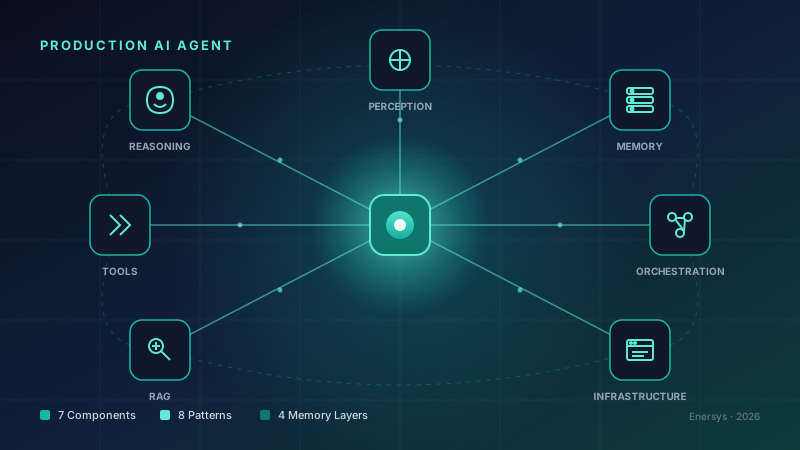
agent ใน production ไม่ใช่ "API call ที่ฉลาดขึ้น" — มันคือ ระบบ ที่ประกอบด้วย 7 component หลัก ทำงานประสานกัน ภายใต้ pattern ที่เลือกใช้ตามโจทย์ พร้อมระบบ memory 4 ชั้น และ infrastructure ที่ไม่ค่อยมีใครพูดถึง
บทความนี้คือสิ่งที่เราเรียนรู้จากการสร้าง agent ให้ลูกค้าจริงตลอด 18 เดือนที่ผ่านมา ทั้งงาน Odoo automation, customer service, document processing, และ knowledge retrieval
ใครก็ตามที่กำลังจะเริ่มสร้าง agent ในปี 2026 ขอให้อ่านบทความนี้ก่อน — เพื่อไม่ต้องเสียเวลาและงบประมาณกับ pattern ที่เราพิสูจน์แล้วว่าไม่เวิร์ก
บทนำ: ตอนที่ผมรู้ว่า "AI agent" ≠ "ChatGPT API call"
ปลายปี 2024 ทีมเราได้รับโจทย์แรกที่เกี่ยวกับ agent — ลูกค้า e-commerce รายใหญ่อยากให้ทำ "ผู้ช่วยตอบคำถามลูกค้าอัตโนมัติ" ที่ดูข้อมูลสินค้า, สถานะการสั่งซื้อ, และตอบเรื่องการคืนเงินได้
ตอนนั้นเราคิดว่า "ง่าย — แค่ GPT-4 + tool calling + RAG"
เราขึ้น POC ภายใน 3 สัปดาห์ ส่งให้ลูกค้าทดสอบ แล้วเจอสิ่งนี้:
- agent ตอบถูกประมาณ 60% ของคำถาม
- อีก 40% มีตั้งแต่ "ตอบผิดสนิท", "วน loop เรียก tool ไม่หยุด", "หลงลืมสิ่งที่คุยไปก่อนหน้า 3 ข้อความ", ไปจนถึง "ส่ง email ผิดคน"
- เวลา debug ไม่รู้จะเริ่มจากไหน — log มีแต่ raw prompt + response ดูไม่รู้เรื่อง
- ค่า API พุ่งวันละ 8,000 บาท เพราะ agent วน retry เอง
นั่นคือจุดที่เรารู้ว่า agent ไม่ใช่ feature — มันคือ ระบบ ที่ต้องออกแบบ component ให้ครบ
ตั้งแต่นั้นมาเราล้มไปอีกหลายโปรเจกต์ ก่อนจะค่อยๆ เข้าใจ pattern ที่ใช้ได้จริง บทความนี้คือสรุปสิ่งที่เราเรียนรู้
7 ส่วนประกอบของ AI Agent ที่พร้อม Production
ก่อนจะคุยเรื่อง pattern ต้องเข้าใจ component ก่อน ถ้าขาด component ไหน — pattern ดียังไงก็พัง
1. Perception (รับ input)
หน้าที่: รับ input ดิบจากผู้ใช้ (ข้อความ, ไฟล์, voice, เหตุการณ์จากระบบอื่น) แล้วแปลงเป็น structured format ที่ reasoning engine ใช้งานได้
นี่คือจุดที่ทีมส่วนใหญ่มองข้าม — เพราะคิดว่า "input ก็คือ string" แต่จริงๆ แล้ว Perception layer ต้องทำงานนี้:
- จัดการ context window — ถ้า conversation ยาวเกิน token limit ต้อง summarize ส่วนไหน เก็บส่วนไหน
- ตรวจ input validation — ผู้ใช้พิมพ์อะไรที่อันตรายมาหรือเปล่า (prompt injection, PII ที่ห้ามส่งออก)
- ตัดสินใจว่าอะไร "ถึงสมอง" — ไม่ใช่ทุกอย่างต้องเข้า reasoning engine บางอย่างจัดการได้ที่ layer นี้เลย
ความผิดพลาดที่เราเคยเจอ: ส่ง raw text ไปให้ LLM ทุกครั้ง ผลคือ context window พังที่ message ที่ 15 และค่า token พุ่ง 4 เท่าของที่คำนวณไว้
วิธีคิดที่ใช้ได้จริง: ถือว่า Perception เป็น "บอดี้การ์ด" ของ reasoning engine — กรองและเตรียมของ ให้สมองคิดได้ดีที่สุด
2. Reasoning Engine (สมอง)
หน้าที่: รับ input ที่ถูกเตรียมแล้ว → ตัดสินใจว่าต้องทำอะไรต่อ (เรียก tool ตัวไหน, ตอบอะไร, ขอข้อมูลเพิ่ม)
ใจกลางคือ LLM — ในปี 2026 ที่เราใช้บ่อยคือ Claude Opus 4.7 (เหมาะกับ complex reasoning) และ GPT-5.4 (เหมาะกับงานที่ต้องการ throughput สูง)
แต่ LLM อย่างเดียวไม่พอ — ต้องมี structure กำกับการคิด:
- system prompt ที่ระบุบทบาท, ขอบเขต, format ของ output
- tool definitions ที่ชัดเจน — agent จะใช้ tool ผิดถ้า definition กำกวม
- output parser ที่บังคับ format (JSON schema, structured output)
บทเรียน: agent ที่ "ฉลาดเกินไป" (model ใหญ่, prompt ยาว, ไม่มี structure) มัก unreliable มากกว่า agent ที่ "พอดี" — เพราะมีพื้นที่ให้ตีความผิดเยอะกว่า
3. Memory (4 layers ที่ต้องคิดให้ครบ)
นี่คือส่วนที่คนพลาดมากที่สุด เพราะเข้าใจผิดว่า "ใส่ history ลงไปใน context window" = "agent มี memory"
memory ที่ใช้งานได้จริงต้องมี 4 ชั้น:
3.1 Short-term Memory (ความจำในช่วงสนทนา)
context ภายใน token window ปัจจุบัน — สิ่งที่ user เพิ่งพูด, tool result ล่าสุด
ความท้าทาย: token limit จำกัด ต้องตัดสินใจว่าเก็บอะไร ทิ้งอะไร เมื่อ session ยาวขึ้น
วิธีที่ใช้: rolling window + summary — เก็บข้อความล่าสุด N ข้อ + summary ของส่วนเก่าที่ตัดออก
3.2 Episodic Memory (ความจำเหตุการณ์)
เหตุการณ์เฉพาะที่มี timestamp และ context — ใช้ตรวจสอบย้อนหลัง, audit, regulatory compliance
สำหรับธุรกิจไทยที่อยู่ภายใต้ PDPA — Episodic memory ไม่ใช่ optional มันคือ ข้อบังคับ: ต้องเก็บได้ว่า agent ตัดสินใจอย่างไร, ใช้ข้อมูลอะไรประกอบ, ผลลัพธ์เป็นยังไง
3.3 Semantic Caching (cache แบบเข้าใจความหมาย)
แทนที่จะ cache ตาม exact match — ใช้ vector embedding เช็คว่าคำถามใหม่ "ใกล้เคียง" คำถามเก่าหรือเปล่า ถ้าใกล้พอ → ใช้คำตอบเดิมเลย
ตัวเลขที่งานวิจัยและ Redis รายงาน: ลด LLM API call ได้ ~69% ในระบบที่มีคำถามซ้ำเยอะ และ Redis LangCache อ้างว่าทำให้ response เร็วขึ้น 15 เท่า ลดต้นทุน 70%
ในประสบการณ์เรา: ระบบ customer service ที่มีคำถามซ้ำเยอะ semantic cache คือสิ่งที่ทำให้โปรเจกต์ทำกำไรได้ — ถ้าไม่มีก็ต้องบอกลูกค้าว่าราคาแพงกว่า 3 เท่า
3.4 Hybrid Retrieval Memory (ความจำระยะยาว + RAG)
ความจำที่ดึงมาจากฐานข้อมูลใหญ่ — เอกสาร, knowledge base, historical conversation
production pattern ปี 2026: ไม่ใช่ vector search อย่างเดียวแล้ว — ใช้ Hybrid Retrieval:
- Dense vector search (semantic similarity)
- Sparse retrieval (BM25, keyword-based)
- Metadata filtering (time, user, document type)
- Fusion ด้วย Reciprocal Rank Fusion (RRF)
- Re-rank ด้วย cross-encoder
ทำไมต้อง hybrid: vector search อย่างเดียวพลาดเรื่อง "exact match" — เช่น เลขสัญญา, รหัสสินค้า, ชื่อเฉพาะ ที่ semantic similarity ไม่ช่วย
4. Tool Execution (มือและเท้าของ agent)
agent ที่ไม่มี tool = chatbot ที่พูดได้อย่างเดียว — ไม่มีคุณค่ากับ business
tools คือ:
- API ภายนอก (Stripe, Slack, Gmail)
- internal database (เช่น Odoo ORM, PostgreSQL)
- service ภายในของบริษัท (HR system, ERP)
- file operations (อ่าน/เขียน, parse PDF)
ความผิดพลาดอันดับ 1 ที่เราเคยเจอ: ไม่มี retry logic + error handling
tool fail = agent fail ถ้า agent ขอ "สถานะ order" แต่ API timeout → agent ตอบ "ไม่พบ order" → ลูกค้า panic → support ต้องเข้ามาแก้
ที่ต้องมี:
- retry with exponential backoff
- input validation ก่อนยิง tool (เช่น order_id ต้องเป็นตัวเลข)
- idempotency — tool retry แล้วต้องไม่ทำซ้ำ (สำคัญมากกับ tool ที่เป็น write — เช่น สร้าง invoice, ส่ง email)
- timeout ที่เหมาะสม
- circuit breaker เมื่อ tool ล่ม → fallback ไปทาง manual
5. Orchestration & State Management
หน้าที่: ประสานงานระหว่าง component ทั้ง 6 ตัวข้างต้น
agent ใน production ไม่ใช่ stateless — มัน stateful:
- รู้ว่าตอนนี้อยู่ขั้นตอนไหนของ workflow
- มี checkpoint ที่ resume ได้เมื่อระบบล่ม
- มี human interruption point — จุดที่หยุดรอ human approval
checkpoint ทำไมสำคัญ: ถ้า agent กำลัง process invoice 100 ใบ แล้วล่มที่ใบที่ 47 — ต้องเริ่มใหม่จากใบที่ 48 ไม่ใช่ใบที่ 1
human interruption ทำไมสำคัญ: agent ไม่ควรอนุมัติเงินก้อนใหญ่เอง, ไม่ควรลบข้อมูลลูกค้าเอง, ไม่ควรส่ง email ออก external เอง — ต้องมี gate ให้ human ตัดสิน
framework ที่จัดการเรื่องนี้ดีในปี 2026: LangGraph เป็น canonical, Microsoft Agent Framework แข็งเรื่อง enterprise governance
6. Knowledge Retrieval / RAG ที่ใช้จริงในปี 2026
เราคุยเรื่อง RAG แยกจาก memory เพราะ scope ต่างกัน — RAG คือ "เอาข้อมูลที่ใหญ่กว่า context window มาใช้" ส่วน memory คือ "จำสิ่งที่เกิดขึ้นแล้ว"
production RAG ปี 2026 ที่ใช้กันจริงคือ pipeline แบบนี้:
- Retrieval: Dense vector search + Sparse BM25 (parallel)
- Merge: รวมผลทั้งสอง
- Re-rank: Reciprocal Rank Fusion + Cross-encoder
- Final: ส่ง top-K ที่ rank แล้วเข้า LLM
ทำไมไม่ใช้ vector search อย่างเดียวเหมือนปี 2023:
- vector search พลาดเรื่อง keyword exact match
- vector search ไวต่อ noise ใน embedding
- vector search อย่างเดียว → hallucination เพิ่ม
ในงานจริงของเรา: ระบบ document Q&A ที่ใช้ hybrid retrieval มี precision สูงกว่าระบบที่ใช้ vector search อย่างเดียวแบบเห็นได้ชัด — และที่สำคัญคือลด hallucination ลงเยอะ
7. Integration & Deployment Infrastructure (สิ่งที่คนลืม)
นี่คือ component ที่ทุกทีมรู้ว่าสำคัญ แต่ทำสุดท้ายเพราะ "ยังไม่ urgent"
ผิด — ถ้า infrastructure ยังไม่พร้อมก่อน scale, scale = หายนะ
ที่ต้องมีก่อน production:
7.1 Observability
ไม่ใช่ logging ธรรมดา — ต้องเป็น behavioral observability: เห็นว่า agent ตัดสินใจอะไร, ทำไม, ใช้ tool ไหน, input/output ของแต่ละ step
มาตรฐานปี 2026: OpenTelemetry + framework เฉพาะทาง (LangSmith, Arize, Langfuse)
7.2 Security
- authn/authz: agent ทำงานในนามใคร, มีสิทธิ์อะไร
- credential handling: agent ห้ามเห็น raw API key
- prompt injection defense
- output sanitization
7.3 Audit Trail (สำคัญมากสำหรับ PDPA)
- ทุกการตัดสินใจของ agent ต้อง log
- ใครเป็นคน trigger
- ใช้ข้อมูลอะไรประกอบ
- ผลลัพธ์เป็นยังไง
- เก็บนานเท่าไร, retention policy ตามกฎหมาย
7.4 Rate Limiting + Cost Control
- limit ต่อ user, ต่อ session, ต่อ tool
- alert เมื่อ cost พุ่ง
- circuit breaker เมื่อ LLM provider ล่ม
8 Canonical Patterns — เลือกตัวไหนเมื่อไหร่
ปี 2026 industry ตกผลึกแล้วว่ามี 8 pattern หลักที่ใช้กับ AI agent แต่ละตัวเหมาะกับโจทย์คนละแบบ
Pattern 1: ReAct (เริ่มที่ตัวนี้เสมอ)
คืออะไร: agent สลับระหว่าง "thought" (คิด) กับ "action" (ทำ) เป็นรอบๆ — คิดว่าจะทำอะไร → ทำ → ดูผล → คิดต่อ → ทำต่อ
เหมาะกับ: งานทั่วไป, task ที่ไม่ยาวเกิน ~30 step
ล้มเหลวเมื่อ: task ยาวเกิน ~50 step, agent หลงลืม goal เดิม, ทำผิดซ้ำๆ
framework รองรับ: LangGraph, AutoGen, CrewAI, OpenAI Agents SDK, Microsoft Agent Framework — แทบจะทั้งหมด
สรุป: ReAct = default ของทุก agent ถ้าไม่รู้ว่าจะใช้ pattern ไหน → เริ่มที่ ReAct
Pattern 2: Reflexion (เพิ่มเมื่อ ReAct ล้มซ้ำๆ)
คืออะไร: เพิ่ม self-critique step — agent ทำเสร็จแล้วถามตัวเอง "อันนี้ดีพอหรือยัง? มีอะไรพลาด?" ก่อนส่งคำตอบสุดท้าย
เหมาะกับ: งานที่มีโอกาสผิดซ้ำๆ — coding, math, structured reasoning
ผลที่งานวิจัยรายงาน: ลด repeated failure ลง 30-50% ใน task ประเภท code/math
ล้มเหลวเมื่อ: เพิ่ม latency (extra LLM call), agent ขัดแย้งตัวเอง (oscillation), critique อ่อนใน task ที่ subjective
สรุป: Reflexion = patch ของ ReAct ใส่เมื่อพิสูจน์แล้วว่า ReAct อย่างเดียวไม่พอ
Pattern 3: Plan-and-Execute
คืออะไร: แยก 2 phase ชัดเจน — plan (agent วางแผนทั้งหมดก่อน) แล้วค่อย execute ตาม plan
เหมาะกับ: workflow ที่ predictable, plan ใช้ amortize cost ได้ (วาง plan ทีเดียว ใช้หลายครั้ง)
ล้มเหลวเมื่อ: เงื่อนไขเปลี่ยน plan เก่าใช้ไม่ได้ — เพราะ Plan-and-Execute ไม่ adaptive เท่า ReAct
Pattern 4: Supervisor-Worker (Hierarchical)
คืออะไร: มี supervisor agent ที่แบ่งงานให้ worker agent หลายตัว แต่ละ worker ถนัดเรื่องเฉพาะ
เหมาะกับ: งานที่แบ่งย่อยได้ชัด, worker specialization ช่วยเพิ่ม accuracy (เช่น worker คนหนึ่งถนัด SQL, อีกคนถนัด data analysis)
framework แข็งเรื่องนี้: AutoGen (Microsoft Research), CrewAI (crew/task metaphor)
ล้มเหลวเมื่อ: งานง่าย — coordination overhead กลายเป็น cost ที่ไม่คุ้ม, supervisor หลง goal
Pattern 5: Multi-Agent Debate
คืออะไร: agent หลายตัว (ปกติ 3+) ถกเถียงกันด้วยมุมมองต่างกัน แล้วมี judge agent (หรือ human) ตัดสิน
เหมาะกับ: high-stakes decision, safety-critical, brainstorming ที่ต้องการ diverse perspectives
ล้มเหลวเมื่อ: agent convergent กันเร็วเกินไป (premature convergence), judge bias เข้าหา agent ที่พูดเยอะ (verbose)
Pattern 6: Verifier-Critic (ใช้ model คนละตัวเสมอ)
คืออะไร: แยก agent ที่ generate (generator) ออกจาก agent ที่ตรวจสอบ (verifier/critic) ผลของ generator ต้องผ่าน verifier ก่อน
เหมาะกับ: output ที่ต้อง accuracy สูง, policy compliance, regulated domain
ล้มเหลวเมื่อ: ใช้ model เดียวกันเป็นทั้ง generator และ critic → collusion (สมรู้ร่วมคิด — critique ผ่านทั้งหมด เพราะคิดเหมือนกัน)
กฎที่ต้องท่อง: Verifier-Critic ต้องใช้ model คนละตัวเสมอ (เช่น Claude Opus กับ GPT-5) และต้อง cap revision cycle ไม่งั้นวน infinite
Pattern 7: Graph Orchestration (LangGraph canonical)
คืออะไร: workflow เป็น graph ที่ระบุ node, edge, decision point ชัดเจน ไม่ปล่อยให้ agent คิดเอง
เหมาะกับ: structured workflow, ต้องการ trace-level debugging, มี edge case ที่รู้ล่วงหน้า
framework canonical: LangGraph (และ Microsoft Agent Framework แข็งใน enterprise context)
ล้มเหลวเมื่อ: graph ใหญ่เกินจน maintain ไม่ได้ — best practice คือ bound node count ให้พอประมาณ และทุก path ต้องมี terminal node
Pattern 8: Swarm/Blackboard (อย่าใช้ใน production)
คืออะไร: agent หลายตัวที่ peer-equivalent ทำงานบน shared blackboard — ไม่มี hierarchy, ทุกคนอ่าน/เขียน blackboard ได้
เหมาะกับ: research, exploratory work, decomposition ยังไม่รู้
production warning: industry consensus ปี 2026 — ห้ามใช้ใน production ยกเว้นเป็น research project — เพราะ debug ยากมาก, behavior ไม่ deterministic, cost พุ่งง่าย
OpenAI มี swarm reference implementation แต่เน้นว่าเป็น educational ไม่ใช่ production-ready
Escalation Path: เริ่มจากเล็ก ไปใหญ่
ถ้าจำอะไรจากบทความนี้ไม่ได้ — ขอให้จำ escalation rule นี้:
- เริ่มที่ ReAct — pattern เดียว single agent
- วัดผล — accuracy, latency, cost, failure mode
- ถ้า ReAct ทำ task เกือบครบ แต่พลาดซ้ำๆ → เพิ่ม Reflexion
- ถ้า workflow predictable + plan ใช้ amortize ได้ → เปลี่ยนไป Plan-and-Execute
- ถ้า single-agent ถึง ceiling → ค่อยเริ่ม multi-agent
อย่า skip level — coordination overhead ของ multi-agent ทำลาย ROI ทันที
quote ที่เราใช้ในทีม: "Don't lead with multi-agent — coordination overhead often dominates"
ในประสบการณ์เรา: 80% ของ use case ในธุรกิจไทย จบที่ ReAct + Reflexion + tool ที่ดี — ไม่ต้องไปไกลกว่านั้น
Framework Comparison (2026)
| Framework |
เหมาะกับ |
Trade-off |
| LangGraph |
Graph orchestration, prebuilt patterns (ReAct, Reflexion, Plan-and-Execute) |
learning curve สูง |
| AutoGen |
Multi-agent debate, supervisor-worker |
setup ซับซ้อน |
| CrewAI |
Quick start, crew/task metaphor ที่เข้าใจง่าย |
flexibility น้อยกว่า |
| OpenAI Agents SDK |
Simple, OpenAI-native, ได้ swarm reference |
vendor lock-in |
| Microsoft Agent Framework |
Enterprise governance, integration กับ Azure |
Microsoft ecosystem |
| Claude Managed Agents |
Cloud-hosted, ไม่ต้องดู infra เอง |
dependency กับ Anthropic |
คำแนะนำ:
- ทีมขนาดเล็ก, อยากเริ่มเร็ว → CrewAI
- ทีมที่ต้องการ control + observability → LangGraph
- enterprise + governance heavy → Microsoft Agent Framework
- ใช้ Claude อยู่แล้ว ไม่อยากดู infra → Claude Managed Agents
Production Reality Check
ก่อนจะคิดว่า agent พร้อม launch — เช็ค 4 ข้อนี้
Reliability Targets
agent ที่ autonomous (ทำงานเองไม่ต้อง human approve) ต้องมี end-to-end failure rate < 1%
ถ้าทำไม่ได้ — ต้องออกแบบให้มี human-in-the-loop ในจุดที่สำคัญ ไม่งั้นจะมี incident เป็นประจำ
ในประสบการณ์เรา: agent ที่ทำงาน Odoo automation รุ่นแรก failure rate อยู่ที่ ~8% → จับคนกลับมาเป็น human review → ใช้เวลา 6 เดือนทำให้ลงเหลือ 0.7%
Latency Constraints
- voice/chat agent: first-token latency ต้องอยู่ที่ low hundreds of milliseconds ไม่งั้นผู้ใช้รู้สึก lag
- multi-agent orchestration: มี overhead จาก coordination → ไม่เหมาะกับ real-time voice
- batch agent (เช่น process documents): latency หย่อนได้
ทางออกของ latency: semantic cache — ลด LLM call สำหรับคำถามที่เคยตอบแล้ว
Cost Control
token cost scale ตาม volume เร็วมาก ถ้าไม่ control:
- cache aggressively (semantic cache, response cache)
- ใช้ model ที่เหมาะกับงาน — อย่าใช้ Claude Opus กับงานที่ Haiku ทำได้
- cap token per turn, per session
- prove ROI ก่อน scale — pilot 1-2 use case ก่อน ไม่ใช่ launch ทุกแผนกพร้อมกัน
Observability Requirements
production agent ต้องมี:
- behavioral observability: เห็น decision และเหตุผล (ไม่ใช่แค่ metric)
- audit trail: log ครบสำหรับ regulatory (PDPA)
- human oversight gate: สำหรับ high-stakes action
- alerting: เมื่อ pattern ผิดปกติ (cost พุ่ง, error rate สูง)
5 บทเรียนที่เราเรียนรู้จากการสร้าง agent ใน production
บทเรียน 1: Start with ReAct, not multi-agent
ทีมที่เริ่มด้วย multi-agent ทันที เจอ coordination overhead ทันที → cost พุ่ง, latency แย่, debug ไม่ออก เกือบทุกราย
start with ReAct → measure → escalate when proven necessary
บทเรียน 2: Memory layers ต้อง explicit
อย่าหวังว่า LLM จะ "จำเอง" จาก context window — ต้องออกแบบ memory layer ที่ชัด:
- short-term ในไหน
- episodic เก็บใน database ไหน
- semantic cache ใช้ Redis หรือ vector store
- long-term retrieval ใช้ pipeline ไหน
บทเรียน 3: Tools ต้อง idempotent + retry-safe
agent retry แล้วต้องไม่ทำซ้ำ — ที่เราเคยพังคือ:
- agent ส่ง email ซ้ำ 4 รอบ เพราะ retry หลัง timeout
- agent สร้าง invoice 3 ใบ เพราะ tool definition ไม่มี idempotency key
ทุก write operation ต้อง idempotent ไม่งั้นเตรียมตัวเจอ incident
บทเรียน 4: Observability ก่อน scale
ถ้า debug ไม่ได้ — scale = ขยายปัญหา ไม่ใช่ขยายธุรกิจ
ก่อน scale ต้องตอบได้ว่า:
- agent ตัดสินใจอะไร, เพราะอะไร
- ใช้ tool ไหน, ผลเป็นยังไง
- ใช้ token ไปกี่ตัว, cost เท่าไร
- เกิด failure ที่ step ไหน
บทเรียน 5: Human gates สำหรับ high-stakes action
agent ไม่ควร autonomous ทุกอย่าง — กำหนด threshold ที่ต้องผ่าน human:
- transaction เกิน X บาท
- ลบข้อมูลถาวร
- ส่ง email/notification ออก external
- approve ใบลา, สัญญา, การเบิกจ่าย
- ตัดสินใจที่ส่งผลต่อกฎหมาย
agent ที่ดีรู้ว่า "อะไรไม่ควรทำเอง" และ escalate ไปยัง human ทันที
Implementation Roadmap (8 weeks)
ถ้าจะเริ่มสร้าง agent วันนี้ — นี่คือ roadmap ที่ทีมเราใช้
Week 1-2: Foundation
- เลือก framework (เริ่มที่ LangGraph หรือ CrewAI)
- set up observability stack (logging, tracing, metric)
- define use case ชัด 1 ตัว — อย่าทำหลายตัวพร้อมกัน
- กำหนด success metric ก่อนเขียน code
Week 3-4: Single-Agent ReAct
- build minimal ReAct agent กับ 2-3 tools
- in-memory short-term memory
- ยังไม่ต้องคิดเรื่อง RAG ในขั้นนี้
- ทดสอบกับ test set 50-100 ตัวอย่าง
Week 5-6: Add Memory & RAG
- ใส่ vector store + hybrid retrieval pipeline
- episodic memory ลง database (สำหรับ audit)
- semantic cache (เริ่มที่ Redis)
- ทดสอบ accuracy เทียบกับ Week 4
Week 7-8: Production Hardening
- error handling, retry logic, fallback path
- human-in-the-loop gate สำหรับ action สำคัญ
- load test (latency, throughput)
- audit trail review
- security review (prompt injection, credential handling)
- เตรียม runbook สำหรับ on-call
หลังจาก 8 weeks: launch แบบ canary — เริ่มที่ 5% ของ traffic, monitor 1 สัปดาห์, ค่อย scale
สำหรับทีม Enersys
เราสร้าง agent system มาตั้งแต่ปลายปี 2024 — ส่วนใหญ่อยู่ในงาน Odoo automation, customer service, document processing, และ knowledge retrieval
approach ของเรา: start small, measure, escalate
- ลูกค้าที่อยากให้ทำ multi-agent ตั้งแต่แรก — เราจะคุยให้เริ่มที่ single-agent ก่อนเสมอ
- ลูกค้าที่อยากให้ agent autonomous 100% — เราจะคุยเรื่อง human gate เสมอ
- ลูกค้าที่ไม่อยากลงทุนใน observability — เราจะอธิบายว่ามันคือเงินที่จ่าย "ก่อน" จะเกิด incident ไม่ใช่ "หลัง"
โปรเจกต์ agent ที่ไม่มี structure แบบในบทความนี้ — เราเคยเห็นพังหลายโปรเจกต์ ทั้งที่ลูกค้าใช้ทีมในประเทศ ทั้งที่ใช้ vendor ต่างชาติ pattern เดียวกันคือ "เริ่มจากใหญ่เกินไป"
ถ้าธุรกิจของคุณกำลังคิดเรื่อง AI agent ในปี 2026 — เริ่มจากการตอบ 3 คำถามนี้ก่อน:
- use case ชัดมั้ย — ระบุ task เดียวที่จะทำ และ metric ที่วัดได้
- ROI ชัดมั้ย — ถ้า agent ทำงานนี้ได้ ลด cost / เพิ่ม revenue เท่าไร
- failure mode ยอมรับได้มั้ย — ถ้า agent พลาด 1 ใน 100 ผลคืออะไร, มี human gate ตรงไหน
ถ้าตอบ 3 ข้อได้ → คุณพร้อมเริ่ม ถ้ายัง → อย่าเพิ่งเริ่ม คุยกับทีมเทคโนโลยีก่อน
สรุป
AI agent ใน production ปี 2026 ไม่ใช่ "ChatGPT API ที่ฉลาดขึ้น" — มันคือ ระบบ ที่ประกอบด้วย:
- 7 component: Perception, Reasoning, Memory, Tools, Orchestration, RAG, Infrastructure
- 8 pattern ให้เลือกใช้: ReAct, Reflexion, Plan-and-Execute, Supervisor-Worker, Debate, Verifier-Critic, Graph, Swarm
- 4 memory layers: Short-term, Episodic, Semantic Cache, Hybrid Retrieval
- production target: failure < 1%, first-token latency low hundreds of ms, semantic cache เพื่อ ROI
กฎทองที่ทีมเราท่อง: start with ReAct, measure, escalate — multi-agent ไม่ใช่ฮีโร่ของทุกโจทย์
ทีมที่จะ win ใน 2026 ไม่ใช่ทีมที่ใช้ pattern ใหม่ที่สุด — แต่เป็นทีมที่ เลือก pattern ที่ตรงโจทย์ + ออกแบบ component ให้ครบ + มี observability + audit trail พร้อมก่อน scale
ที่เหลือคือเรื่องของวินัย ไม่ใช่เรื่องของเทคโนโลยี
แหล่งข้อมูล